
Cashew Nuts – 4 Requirements For Importing Cashew Nuts Into The European Marker

“Cashew Nuts in the European Market”
The European Union (EU) is one of the largest and most promising markets for cashew nut exports from developing countries, including Vietnam. However, to access this market, businesses must understand and strictly comply with stringent standards and regulations regarding quality, food safety, traceability, and more. Below are the key requirements for importing cashew nuts into the EU market:
- Food Safety Standards
• HACCP – Hazard Analysis and Critical Control Points
The EU mandates that producers and exporters implement the HACCP system to manage food safety risks. This is a fundamental requirement to prevent contamination, mold, or chemical residues in products.
• Control of Contaminants in Cashew Nuts
Contaminants are harmful, unwanted substances in food that can cause illness. The EU enforces strict controls on contaminants, particularly aflatoxins, as outlined in Regulation (EU) 2023/915, which sets maximum levels for certain contaminants in food.
Common contaminants in cashew nuts include mycotoxins, pesticide residues, microorganisms, and heavy metals. Products exceeding permitted contaminant levels will be recalled from the market.
Aflatoxins, mycotoxins often found in nuts due to improper storage, are subject to strict EU limits, typically not exceeding 4 µg/kg (total aflatoxins) and 2 µg/kg (aflatoxin B1).
- Quality Standards Cashew Nuts
Imported cashew nuts must meet quality standards related to:
• Size, color, percentage of broken or defective kernels.
• Moisture content and impurities.
• Taste and sensory qualities: Nuts must be free from off-odors, rancidity, mold, or spoilage.
The European Nut and Dried Fruit Association (FRUCOM) and importers often use international grading systems, such as AFI Standards, to assess product quality. - Labeling and Packaging Cashew Nuts
Labels must include complete information: product name, origin, kernel size, type (e.g., cashew nuts kernel W320, WS, LP), batch number, production date, expiration date, and manufacturer details.
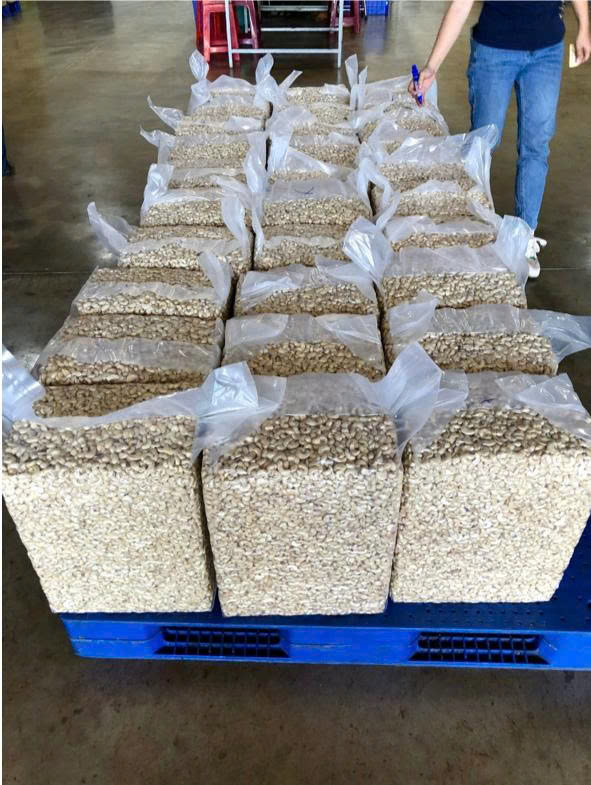
Packaging typically involves tin boxes or vacuum-sealed bags placed in cartons, ensuring airtight, moisture-proof, and transport-friendly conditions.
- International Standards and Certifications
While not mandatory, the following certifications enhance access to EU importers and large retail systems:
• BRC (British Retail Consortium): Global standard for food safety.
• ISO 22000: Food safety management system.
• Organic/EU Organic: For organic cashew nut products.
• Fairtrade, Rainforest Alliance: For buyers prioritizing sustainability and social responsibility
. 


Importing cashew nuts into the EU market offers significant opportunities but comes with challenges related to quality, food safety, and social responsibility. Understanding these requirements not only helps businesses mitigate export risks but also enhances brand reputation, value, and long-term partnerships with international counterparts.
Brief:
The EU is a promising market for Vietnamese cashew nuts but requires strict compliance with food safety, quality, and traceability standards. Exporters must implement HACCP, control aflatoxins and other contaminants, and meet requirements for size, moisture, sensory quality, and labeling. Certifications such as BRC, ISO 22000, EU Organic, and Fairtrade enhance access to major retailers and long-term partnerships in Europe